
Puppy Fever Season: Know B4 you go
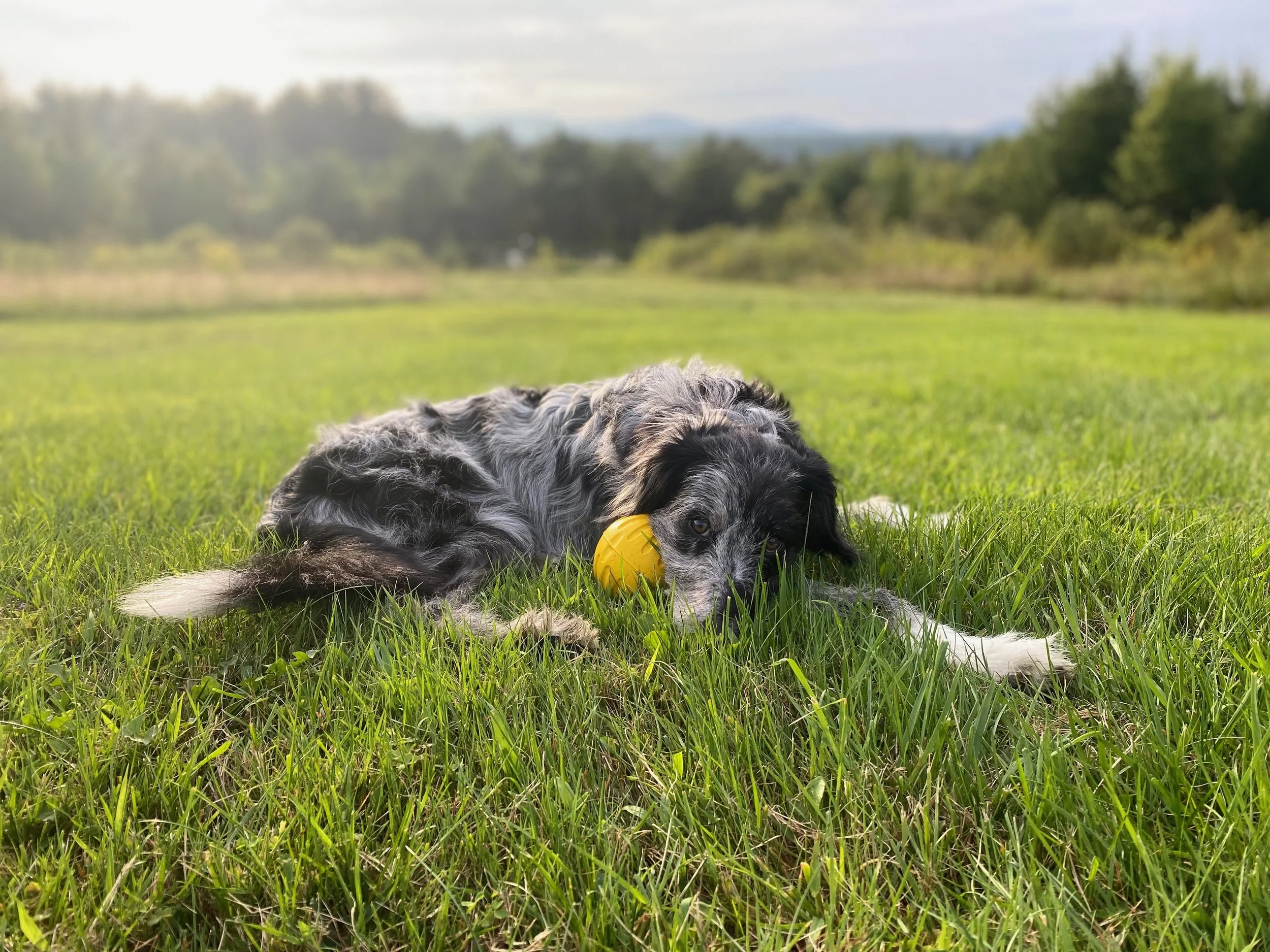
Calm puppyhood will make adolescence easier for everyone.
Stop Training Your Puppy. Start Raising Them
What the first weeks of puppyhood are really about — and why getting it right changes everything.
The first thing most people want to do when they bring home a new puppy is start training. Sit. Stay. Come. Off. No. And I get it — I used to think the same way. But after years of studying behavioral science and canine development, I've completely changed how I think about those early weeks.
This early time in a dog’s development isn’t about obedience. It’s about something much more important: it’s about helping them overcome the loss of their mother, instilling confidence and teaching coping skills.
The One Goal That Should Drive Everything
When your puppy comes home, there is really only one thing that matters: making them feel safe. Physically and emotionally. Everything else — obedience, socialization, walking nicely on leash — flows from that. A puppy who feels safe is a puppy whose brain can grow and learn. A puppy who doesn't? They're in survival mode. And you can't teach a brain in survival mode. You’re just adding stress on top of stress.
So for now, let go of the to-do list. Slow down. Way down.
You Are Living With a Baby
When your puppy arrives at 8–12 weeks old, they are neurologically a toddler. The part of the brain responsible for impulse control and emotional regulation doesn't fully develop until around 24 months in dogs. Two years.
So when your puppy loses their mind over a blowing leaf, or bites you during what felt like a calm moment, they are not being defiant. They feel everything — but can't rationalize any of it yet. Knowing this changes how you respond. You stop getting frustrated. You start parenting.
What They Actually Need First
Before your puppy can learn anything you want to teach them, they need to learn a few things on their own: that the world is safe, that you are safe, that curiosity is encouraged and mistakes are okay. They are learning how to learn. Obedience and tricks can wait.
The Shift That Changes Everything
Knowing what I know now, I can simply no longer see "naughty behavior." I see immature nervous systems. Developing brains. Growing bodies. Babies and toddlers — in a different coat.
That mental shift makes everything easier. And more compassionate. And compassion, it turns out, is one of the most important ingredients in creating a safe learning environment.
We don't build a relationship through pressure. We nurture it through safety.
Want to go deeper? My Puppy Fever webinar covers everything from brain development and physical safety to daily routines, gear, play, and how to actually communicate with your dog. Join the next session.
Julia Thiel is a Canine Behavior Consultant, currently completing certifications as a Dog Trainer & Sensory Enrichment Coach (Nordic Dog Trainer School in Norway), Foundational Postural Analyst (Galen Myotherapy in the UK), and Calming Signals Specialist — studying directly under Norwegian dog trainer legend Turid Rugaas.